
Phobies:Turn-Based Card Battle
Phobies Holdings Inc.Strategy
4.41.75K Reviews
- Version
- 1.16.1020.0
- Installs
- 1.00M
- Age Rating
- Everyone 10+
Screenshots
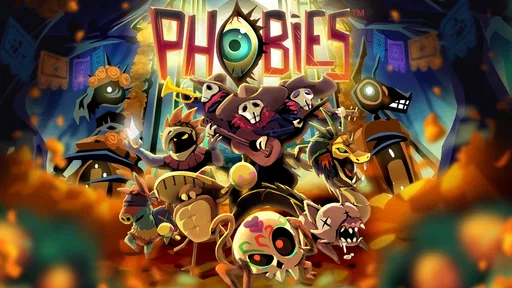
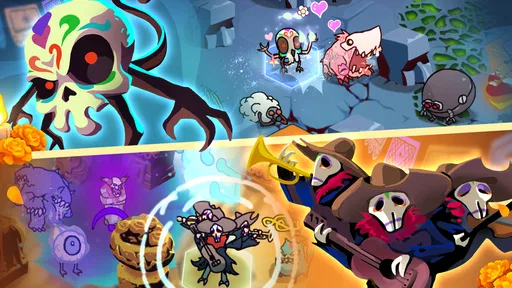
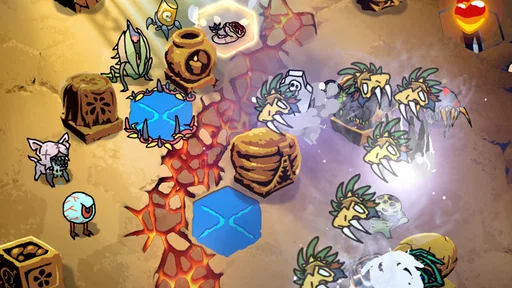
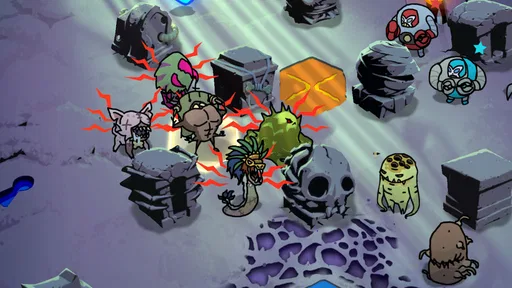
Our Review of Phobies:Turn-Based Card Battle
 Analysis by Appyee
I spent time with Phobies: Turn-Based Card Battle as a mobile strategy game, paying particular attention to how easy it is to read, navigate, and play in different everyday situations. Its basic idea is appealing: you collect strange monster cards and use them in turn-based battles where positioning and timing matter more than quick reflexes. That makes it very different from a typical action game, and it also gives players more room to think before committing to a move.
Developed by Phobies Holdings Inc., the game is free to download and sits in the strategy category. It is rated Everyone 10+, runs on Android 6.0 or later, and has reached over a million installs. The current version is 1.16.1020.0. Those details matter because this is not a tiny experimental card game with a narrow audience; it has a substantial player base and enough depth to attract people who want a longer-term tactical hobby.
My overall impression is positive, but not unreserved. The turn-based format is naturally friendlier to players who need time to process a board, while the small creatures, card collection, and darkly playful presentation give it personality. At the same time, a busy tactical screen can still create problems for people with visual, motor, attention, or sensory needs. The game is most comfortable when I can focus on it without rushing, use a reasonably sized screen, and accept that learning the battlefield takes patience.
How clearly the battlefield communicates information
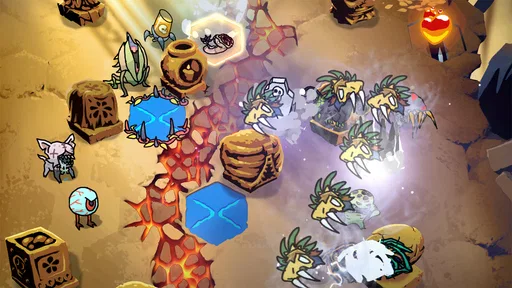
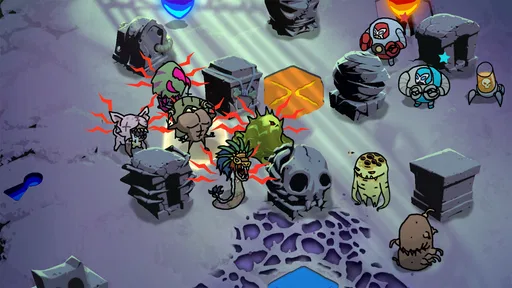
The first thing I noticed was that the game asks me to interpret several kinds of information at once. I need to understand the positions of my units, the available routes across the board, the possible targets, and the consequences of spending a turn. The card-based presentation helps separate the creatures from the battlefield, but it does not remove the need to compare details carefully.
That makes readability more important here than in a simple card battler. A player who can comfortably inspect icons, health indicators, movement options, and attack choices will have a much easier time than someone who struggles with small visual elements. I found that pausing before a move was useful not only strategically but also for accessibility: instead of trying to remember everything while acting, I could examine the board in stages.
The game’s turn-based structure is one of its clearest strengths for different abilities. There is no need to perform a rapid combination of taps simply to stay alive. I can consider a move, look again at the available spaces, and then decide. That is a meaningful difference from real-time strategy games, where a player with slower motor responses or a need for additional processing time may be disadvantaged before strategy even enters the picture.
Navigation is less demanding than the tactical decision-making itself. Menus and collection screens are easier to approach when I already know what I am looking for, but a new player still has to learn how the game organizes its creatures, battles, and choices. I would not describe the experience as immediately effortless. The game rewards curiosity, yet the amount of information can feel dense during the first sessions.
A practical habit helped me: I treated the opening battles as orientation exercises rather than tests of skill. Instead of trying to win as quickly as possible, I watched how the game presented movement, attacks, and card information. This reduced the pressure to remember every symbol at once. For someone with attention difficulties, that slower approach is more useful than attempting to absorb the entire system in one sitting.
The most accessible part of the design is the permission to think before acting. That sounds simple, but it changes the experience considerably. I can put the phone down, return to the board, and continue from the same decision point rather than losing a match because I looked away for a moment. The benefit is strongest for players who need pauses, though it does not solve every readability issue.
Visual load and learning the cards
Collecting monster cards gives the game a recognizable structure. Each creature becomes something I gradually learn, and familiarity reduces the effort needed to interpret it. Early on, however, I had to spend more attention distinguishing what each card could contribute from what it merely looked like it might do. The unusual creature designs are memorable, but visual personality and quick comprehension are not always the same thing.
I recommend learning a small group of cards first rather than trying to understand the entire collection immediately. This is a useful strategy for anyone who finds large sets of icons or names tiring. Once a few creatures become familiar, the board feels less like a wall of new information and more like a set of known tools with different uses.
Players with low vision should be especially realistic about the phone or tablet they plan to use. A larger display may make the battlefield easier to inspect, while a small handset can make a detailed tactical game feel cramped. I would also avoid playing in harsh glare, since reflections and reduced contrast can turn a thoughtful match into an unnecessary visual struggle.
Motor control, sensory comfort, and the pace of play
From a motor perspective, the game benefits from relying on deliberate selections instead of continuous movement. I am not required to steer a character through a fast environment or react to an enemy appearing without warning. That lowers the demand for rapid hand movement and makes the game more approachable for players who prefer controlled taps.
There is still a precision requirement. Selecting the intended creature, space, or target on a compact screen can be uncomfortable for someone with tremors, limited reach, or difficulty making isolated touches. Turn-based pacing gives me time to correct my thinking, but it does not automatically make every tap accurate. A larger device can therefore improve comfort even when the underlying controls remain the same.
One trade-off is that strategic games often make the player perform several small decisions in sequence. Each decision is manageable, yet a long session can become tiring because the mental workload stays active. I found shorter sessions easier to enjoy than forcing myself through repeated battles when my concentration was already low. The game suits breaks during the day, but it may not be ideal for someone looking for a completely passive way to relax.
Sensory comfort depends heavily on personal tolerance. The monster designs have a spooky, grotesque flavor rather than a bright and gentle one. That style is part of the game’s identity, but players who are sensitive to unsettling imagery may want to approach it cautiously. The Everyone 10+ rating gives a broad age indication, not a guarantee that every visual choice will feel comfortable for every person.
I also think about where I play. In a quiet room, I can study the board and make decisions without distraction. On public transport, in a waiting room, or beside a conversation, the game is still playable because turns do not demand immediate reactions, but my performance becomes less consistent when I miss visual details or lose track of a plan. Its pace is forgiving; its information density is not always forgiving.
Why turn-based play helps in real life
A realistic use case is a short break between appointments. I can begin a match, think through a position, and stop when I need to put the phone away. That is more practical for me than a real-time game that punishes interruptions. The same quality helps players who share a device, care for someone, or simply cannot guarantee uninterrupted attention.
It is also useful for people who prefer learning through repetition. I can revisit the same kind of tactical decision and gradually understand why a move worked or failed. The game does not require me to rely entirely on reflex memory. Instead, I build a mental library of situations, which can be more comfortable for players who need repeated exposure before a system feels natural.
However, turn-based does not mean low pressure in every sense. Losing after a poor decision can be frustrating precisely because I had time to think. If I misread a route or overestimate a creature, the result feels like a strategic mistake rather than an unavoidable reaction failure. That clarity is valuable for learning, but players who dislike deliberate competition may find it demanding.
Access across different situations and play styles
The game works best for players who enjoy planning, collection, and gradual improvement. If I like examining a board, comparing options, and experimenting with unusual creatures, it gives me plenty to think about. It is also a reasonable choice for someone moving away from fast action games but still wanting competition and meaningful decisions.
It is less suitable for a person who wants a simple one-handed distraction with almost no reading or decision-making. The card theme may suggest a lightweight experience, but the battles ask for attention. Someone looking for a very short, instantly understandable game may be happier with a simpler puzzle or a more traditional casual card title.
Compared with real-time strategy games, this one is more forgiving of slower reactions and interruptions. Compared with ordinary digital card games, it places more emphasis on where units stand and how the board develops. Compared with collectible games built mostly around constructing a powerful deck, the appeal here is tied more closely to using creatures tactically in a battlefield context. That distinction is important: collecting alone is not enough if I do not enjoy positioning and careful turns.
The free price makes trying it straightforward, but the presence of in-app purchases ranging from $0.99 to $149.99 per item means I would approach spending carefully. I can begin without paying, yet the existence of optional purchases may affect how comfortable a player feels about long-term collection progress. For younger players, I would make sure the person responsible for the device understands that free entry and unrestricted spending are not the same thing.
That is one of the situations where a different option may be better. If someone wants a completely predictable cost, a paid strategy game without purchase prompts may feel more comfortable. If someone is especially sensitive to monetization pressure, they should decide in advance whether they are willing to play without buying anything and whether the game remains enjoyable under that personal rule.
The game’s audience size is reassuring in one limited way. It has an average rating of 4.4 from around 31 thousand ratings, along with roughly 1.8 thousand written reviews. I read those figures as evidence that many players find the core experience worthwhile, not as proof that it will suit every accessibility need. A popular game can still be a poor match for a particular screen size, visual preference, or tolerance for complex menus.
Small habits that make the experience easier
My first recommendation is to avoid playing while hurried. The game’s design gives me time, so I try to use that time rather than treating every turn as a race. I inspect the board, identify the most important threat, and only then choose a move. This reduces accidental selections and makes the experience less mentally noisy.
My second recommendation is to use a familiar set of creatures while learning. Constantly changing the collection may be exciting, but it increases the amount of information I must process. A stable group lets me focus on board reading and planning. Once the basic patterns are comfortable, experimenting becomes more rewarding rather than overwhelming.
My third recommendation is to match the session to my energy level. When I am tired, I am more likely to overlook a route or make a choice without considering the next turn. Because the game is strategic rather than reflex-driven, fatigue shows up as poor planning. Shorter sessions protect the fun and make it easier to notice what I am actually learning.
A fourth useful habit is to choose the device carefully. On a small phone, I hold it closer and spend more effort checking details. On a larger screen, the board is easier to survey, but the game may be less convenient for quick breaks. There is no universally best setup; portability and visual comfort pull in opposite directions.
Barriers that remain despite the forgiving pace
The biggest remaining barrier is information density. Turn-based play removes urgency, but it does not remove complexity. A player can have plenty of time and still struggle to understand what the game is communicating. This matters for people with cognitive disabilities, attention limitations, or reading fatigue. I found that the game becomes more manageable through repetition, but the learning curve is still part of the product.
Another barrier is the reliance on visual interpretation. The battlefield, creature identity, and available actions all need to be understood through the screen. Players with significant vision loss may need more support than the game itself provides. I would not assume that slower pacing is enough to make the experience accessible without additional device-level assistance.
Motor access is improved by the lack of frantic action, yet small targets can remain difficult. A player may know exactly what they want to do and still have trouble selecting it accurately. This is a crucial distinction: strategic accessibility and touch accessibility are related but not identical.
The atmosphere can also be a barrier. The phobia-inspired creature theme is unusual and gives the game a clear identity, but it may not suit players who avoid creepy designs or darker fantasy presentation. The game is not trying to be visually neutral, and that is worth considering before recommending it to someone with sensory sensitivities.
Finally, the collection structure and optional purchases deserve attention. Even when I enjoy the battles, I may not enjoy every aspect of managing a long-term collection. Players who prefer a fixed roster, a single upfront purchase, or a purely offline-feeling experience may find other strategy games more comfortable. This is not a reason to dismiss the game, but it is a reason to understand what kind of commitment its design encourages.
My inclusive verdict on the mobile strategy experience
I recommend Phobies: Turn-Based Card Battle to players who want tactical card combat without the constant speed of an action game. Its greatest advantage for different abilities and contexts is the time it gives me to inspect a position and make a deliberate choice. That makes it a strong candidate for quiet breaks, interrupted schedules, and players who prefer planning over reflexes.
I would recommend it most confidently to someone who enjoys learning systems gradually, can comfortably read a detailed mobile screen, and likes the idea of collecting unusual monster cards. The game gives those players a distinctive combination of board tactics and card-driven variety. Its 10+ age rating also makes it broadly approachable, although the eerie visual style will not appeal to everyone.
I would be more cautious for anyone with serious visual access needs, difficulty with precise touch selection, strong sensitivity to grotesque imagery, or very low tolerance for complex collection systems. In those cases, a simpler strategy game with larger controls, a calmer visual style, or fewer layered decisions may be a better choice. I would also set a spending boundary before playing, since optional purchases can reach $149.99 for an individual item.
For me, the game succeeds because it respects thought. I can stop, reconsider, and learn from a mistake instead of being defeated by a missed split-second reaction. That does not make it effortless, but it makes the challenge feel more intentional. With a comfortable screen, a patient approach, and realistic expectations about its visual and strategic demands, this free game is worth trying for anyone curious about a more deliberate kind of mobile card battle.
Verdict
Strengths of Phobies:Turn-Based Card Battle
- Strategic battles are easy to learn but offer plenty of tactical depth.
- Distinct Phobies have useful abilities, making team-building feel rewarding.
- Matches are compact and fit well into short gaming sessions.
- Asynchronous play lets you take turns without staying online constantly.
- Regular events and challenges provide extra goals beyond the main battles.
Limitations of Phobies:Turn-Based Card Battle
- Some upgrades and unlocks can require considerable time or patience.
- Matchmaking may occasionally place newer players against experienced opponents.
- Energy or waiting systems can slow progress during longer play sessions.
- The large roster can make it difficult to know which units deserve investment.
- Online connectivity is required for most of the game's core features.
Similar Picks in This Category
View All
Clash of Clans
Supercell4.5

Plants vs. Zombies™
ELECTRONIC ARTS3.7

Lords Mobile: Kingdom Wars
IGG.COM4.5

Clash Royale
Supercell4.4

State.io — Conquer the World
CASUAL AZUR GAMES4.1

Car Driving School : Car Games
Spark Game Studios3.9
Frequently Asked Questions
What is Phobies: Turn-Based Card Battle?
Phobies: Turn-Based Card Battle is a strategy game that combines collectible cards, turn-based combat, and tactical positioning. You build a team of strange creature cards, each with different attacks, movement options, strengths, and weaknesses, then use them on compact battlefields. Matches reward careful planning rather than fast reactions, making the game suitable for players who enjoy thoughtful, competitive battles.
How does combat work in Phobies?
Combat takes place on a grid where players move their creatures and attack in alternating turns. Each unit has a limited number of action points, so every movement, attack, or special ability must be considered carefully. Terrain, attack range, health, and positioning can strongly affect the result. Winning usually depends on controlling space and combining your creatures effectively instead of simply using the strongest card.
Is Phobies free to play, and does it include in-app purchases?
Phobies can be downloaded and played for free, but it includes optional in-app purchases. Players can progress by participating in battles, completing activities, and collecting rewards, while purchases may provide additional resources or speed up certain aspects of collection and progression. The game is designed around ongoing card acquisition, so users who prefer completely unrestricted progress without optional spending should review the available purchase systems before committing.
Does Phobies require an internet connection?
Phobies is primarily designed as an online multiplayer game, so an internet connection is generally required for its main features. Online access allows you to participate in battles, synchronize your collection, receive rewards, and interact with the game's matchmaking and event systems. Because of this structure, it may not be the best choice for long offline sessions, and connection quality can affect the overall playing experience.
Is Phobies suitable for beginners and younger players?
Phobies is approachable for beginners because its early battles introduce movement, attacks, card abilities, and basic tactical decisions gradually. However, the game becomes more complex as you unlock additional creatures and face experienced opponents, so learning effective combinations can take time. Its creepy cartoon presentation may appeal to many players, although parents should check the game's age rating, online features, and in-app purchase options before allowing younger users to play.
Play our best games!


